
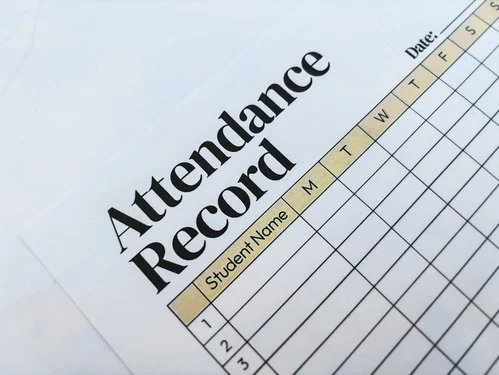
Good legal news for school districts doesn't come around every day — so when it does, it's worth celebrating. A recent Wyoming district court decision hands districts two wins at once: (1) FERPA and the IDEA don't stand in the way of the state's attendance laws, and (2) districts unhappy with a special education state complaint decision have a real path to appeal it.
Here's how we got there. The Wyoming Department of Education found a district in violation of the IDEA for sharing education records — including special education records — with the local prosecuting attorney before that attorney filed a truancy petition. Instead of accepting the finding, the district pushed back and sought judicial review. The district won.
A Quick Refresher on FERPA and the IDEA
FERPA's default rule is simple: no disclosing education records without prior written parental consent, unless an exception applies. The IDEA layers on extra confidentiality protections for special education information, but it doesn't invent its own separate rulebook, it borrows FERPA's. So wherever FERPA permits a disclosure, the IDEA rides along and permits it too. The juvenile justice exception turns out to fit attendance enforcement almost perfectly.
Wyoming's Truancy Rules in Brief
Wyoming law requires school attendance and puts designated attendance officers in charge of enforcing it. When an officer determines a child is habitually truant or willfully absent, the officer has to notify the board of trustees and the district attorney (or, where there's no DA, the county attorney). That attorney can then start proceedings "in the interest of the child" under the Child Protection Act or the Children In Need of Supervision Act. Wyoming's framework treats truancy squarely as a juvenile justice issue, including willful absenteeism.
What the Court Found
On appeal, the court held that FERPA's juvenile justice exception lets districts disclose education records to the district or county attorney handling a truancy referral. The exception is about who can receive the records, not which records qualify — so it doesn't carve out special education records, and it doesn't limit districts to a one-line notice.
The Catch: This Isn’t A Blanket Pass
Before you get too excited: the court didn't say share everything with anyone. A habitual-truancy finding doesn't turn a student's entire file into fair game. The exception is purpose-limited. A district may share records because they relate to the truancy referral and the juvenile system's ability to help the student, not just because the records happen to exist.
A district that treats a truancy declaration as open-ended authorization has stepped outside what this decision actually supports. The safest way forward is to document the purpose behind every production. For example, any record you share can be labeled: "Truancy/Juvenile Justice System Matter." That paper trail is what keeps a disclosure defensible.
The Bigger “Bonus” Win: Districts Can Appeal State Complaint Decisions
This case only reached a courtroom because the school district involved refused to treat WDE's decision as final. The Department found the district out of compliance and ordered corrective action; the district filed for judicial review instead. That allowed the court a forum to reverse WDE's decision as contrary to law and arbitrary and capricious.
Wyoming educators have long assumed a state complaint decision is the end of the road. This case established that it isn't. If a school district believes WDE has made a legal mistake, it is clear now that the district can seek judicial review.
The Bottom Line
• Share Truancy Records with Confidence. Districts can give truancy-related education records — special ed records included — to the prosecuting attorney on a referral, as long as the disclosure serves the juvenile justice purpose and the district documents that purpose.
• Losing doesn't mean losing. An unfavorable state complaint decision is a starting point, not the final. When the law and facts are on the district's side, the courthouse door is still open.
Questions? Reach out any time at ksb@ksbschoollaw.com